Latest posts
-
How to Select an Electromagnetic Flow Meter
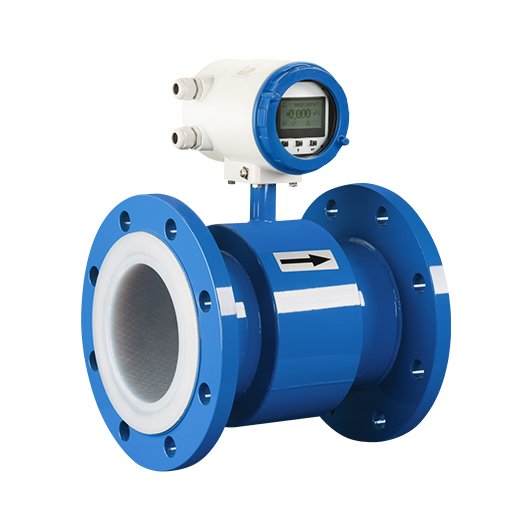
A practical checklist for conductivity, lining, electrodes, sizing and outputs. Start with the medium Electromagnetic flowmeters require a conductive liquid. Confirm conductivity, solids content, corrosiveness and whether hygienic construction is required. Size for velocity, not only pipe diameter Review minimum, normal and maximum flow so the selected diameter maintains a stable velocity range without unnecessary…
-
Measuring High-Viscosity Liquids with Gear Flow Meters
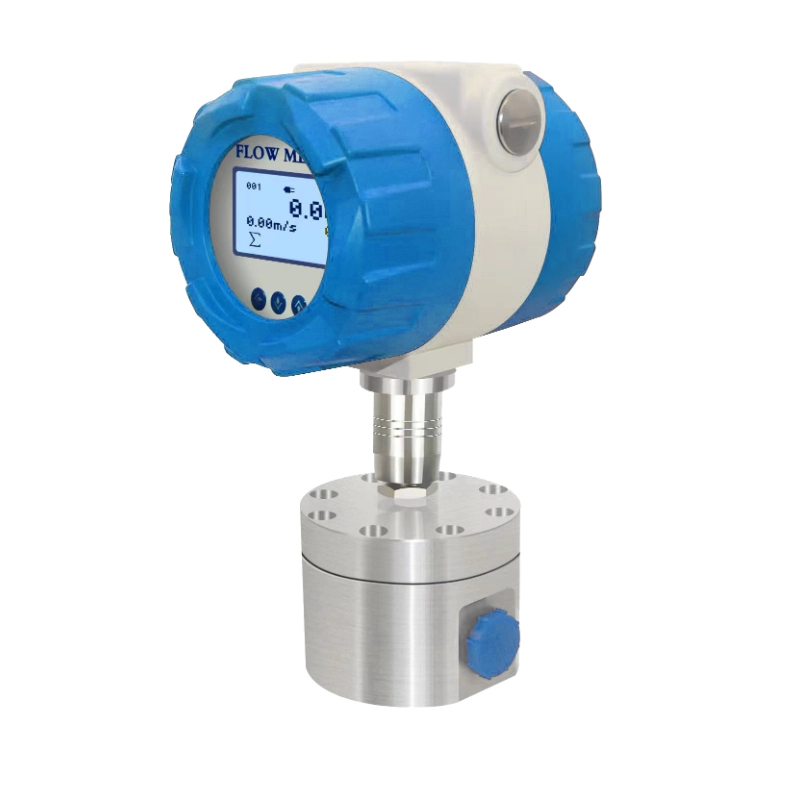
Why positive displacement gear meters perform well with resin, oils and polymers. Why gears suit viscous liquids The meter measures displaced volume directly, so viscosity changes generally affect performance differently from velocity-based technologies. Check pressure loss and starting torque Provide operating viscosity, temperature and available pressure so the meter can be sized for reliable rotation…
-
Oval Gear Flow Meter Working Principle
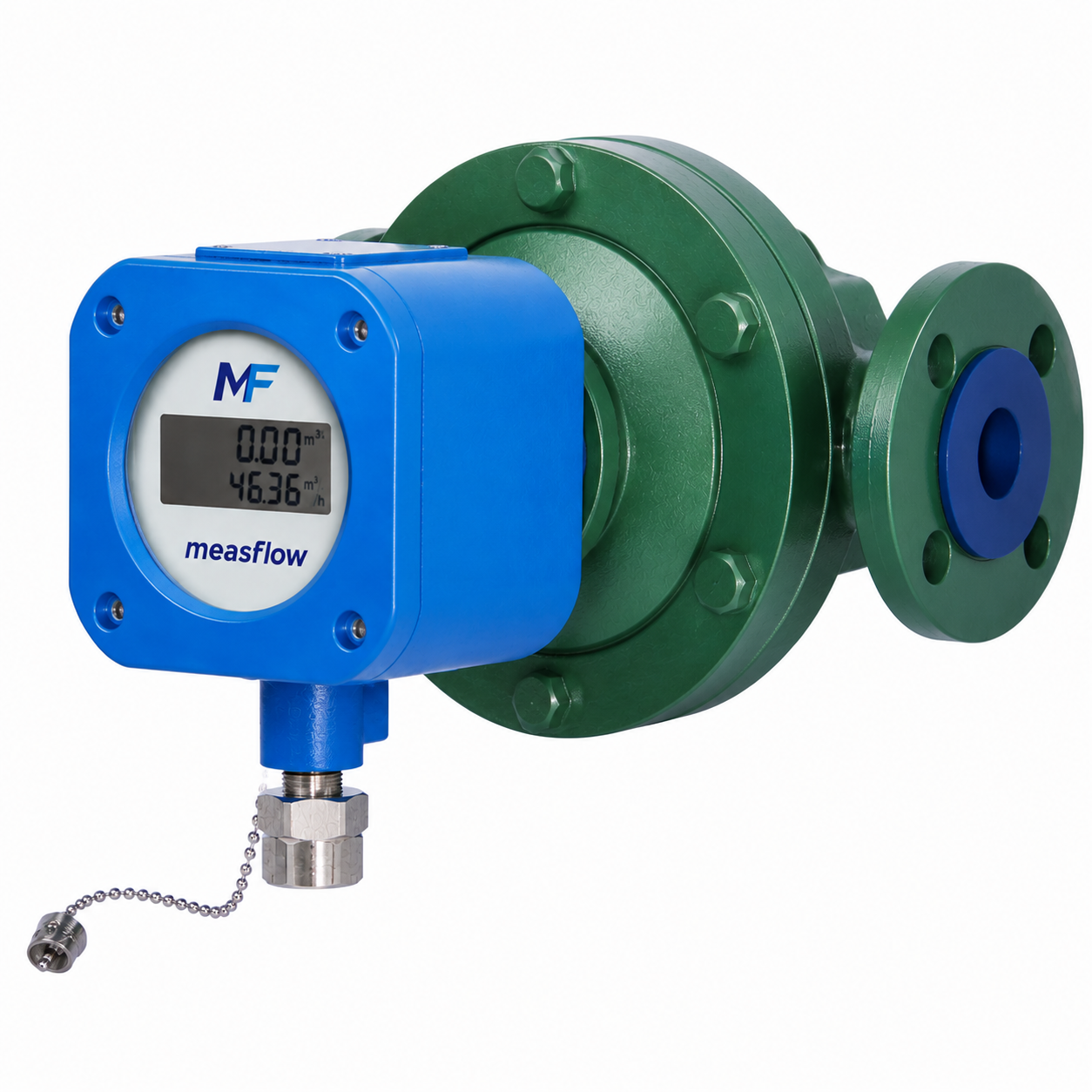
How fixed-volume chambers create accurate and repeatable liquid measurement. A known volume per cycle Two oval gears rotate and create measuring chambers. Each completed cycle corresponds to a known liquid volume. Where the principle fits Oval gear meters are commonly used with oils, chemical liquids, ingredients and transfer duties that value direct volumetric measurement. Selection…